
By: Alyssa Wang
This web site is provided for educational and informational purposes only and does not constitute providing medical advice or professional services. Always consult with appropriate professionals and medical providers regarding medical conditions.
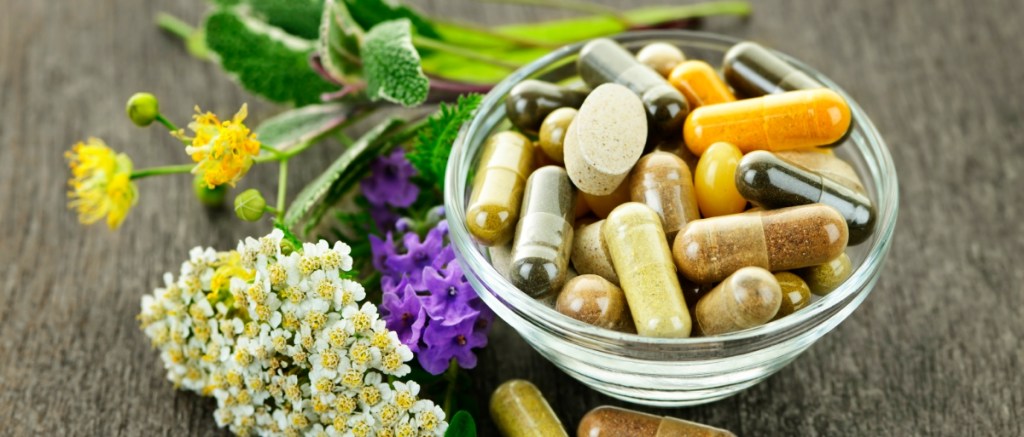
Traditional therapies, utilized around the world for centuries, are often based upon plants with natural healing properties. These plants contain many natural products, which are unmodified molecules possessing therapeutic properties. Current research on natural products aims to discover new medications within natural herbs that do not have significant side effects. The anti-inflammatory, antimicrobial, and wound-healing properties of many plants offer potential for the development of new and improved medications for human health. In this article, we will discuss a few plants with significant medicinal properties:
Ginkgo biloba
Ginkgo is widely used to treat blood disorders and memory issues. This plant, one of the oldest tree species, is often consumed through tea or supplements. People take it to help with dementia (memory loss), glaucoma (eye diseases causing vision loss), claudication (pain from blocked arteries), tinnitus (ringing of the ears), and blood pressure problems. Gingko has antioxidants that cancel out free radicals, which are unstable molecules in the body that can destroy brain cells and can lead to memory loss. Some studies also show that ginkgo can improve circulation and treat peripheral artery disease. Despite its wide usage, studies on ginkgo’s health benefits have inconclusive results and this plant should be used with caution.
Grapes
Drinking wine has been commonly associated with a lower risk of heart disease. Despite the health dangers alcohol consumption may bring, some studies do suggest that moderate wine consumption can bring consumers the benefits of antioxidants such as resveratrol. Naturally occurring plant compounds such as resveratrol reduce inflammation and prevent damage to blood vessels from low-density lipoprotein cholesterol. As resveratrol originates in the skin of red grapes, simply eating grapes or drinking grape juice can produce the same positive effects as wine without its health dangers. However, additional studies are needed to further confirm the effects of increased consumption of grapes and wine for the purposes of reducing inflammation.
Turmeric
Turmeric is an orange-colored spice often used in Asian cooking and traditional medicine. It originates from a plant similar to ginger that is boiled, dried, and ground into a powder. The active ingredient in turmeric, curcumin, has been associated with protection from cancer, heart disease, and inflammatory conditions such as arthritis. Curcumin is a powerful antioxidant that reduces free radicals in the body, which damage cell membranes and DNA. It also reduces the signaling of molecules that cause the inflammatory response. Despite its strong benefits, curcumin is difficult to study as it is unstable and much of it does not reach the bloodstream when taken orally.
Peppermint
Peppermint is a plant created from crossing water mint and spearmint. It is popularly used in flavoring and traditional medicine for its pleasant coolness. Peppermint possesses compounds that can relax tissues in a GI tract and reduce stomach pain or nausea. It has also been shown to help with symptoms of irritable bowel syndrome, which include pain, bloating, and diarrhea. The soothing effects of the menthol within peppermint allow it to be used as an herbal salve for sore muscles and joints. Additionally, peppermint oil has antimicrobial effects as it interferes with the cell membranes of many microorganisms.
Conclusion
The healing properties of plants can provide tremendous benefits if harnessed properly. Investigating the molecular basis of their healing properties can be the first step for scientists and physicians to develop new therapeutic treatments. Despite the wide availability of supplements and health advice, not enough studies of these natural compounds have been conducted to integrate them into medical care. But as effective treatments to diseases remain elusive to scientists, there may be significant value in returning to nature to find once overlooked natural healing.
Citations
Brown, Mary-Eve. “Turmeric Benefits.” Johns Hopkins Medicine, 15 Dec. 2022, http://www.hopkinsmedicine.org/health/wellness-and-prevention/turmeric-benefits.
Cunningham, Susan, and for UCHealth. “The Power of Peppermint.” UCHealth Today, 19 Dec. 2017, http://www.uchealth.org/today/the-power-of-peppermint/.
Deering, Shelby. “9 Most Powerful Medicinal Plants and Herbs, Backed by Science.” Healthline, 28 Feb. 2019, http://www.healthline.com/health/most-powerful-medicinal-plants#turmeric.
John Hopkins Medicine. “Herbal Medicine.” John Hopkins Medicine, 2019, http://www.hopkinsmedicine.org/health/wellness-and-prevention/herbal-medicine.
Liang, Rong, et al. “Physical and Antimicrobial Properties of Peppermint Oil Nanoemulsions.” Journal of Agricultural and Food Chemistry, vol. 60, no. 30, 2012, pp. 7548–55, http://www.ncbi.nlm.nih.gov/pubmed/22746096, https://doi.org/10.1021/jf301129k.
Mayo Clinic. “Ginkgo.” Mayo Clinic, 18 Nov. 2020, http://www.mayoclinic.org/drugs-supplements-ginkgo/art-20362032.
Mayo Clinic staff. “The Truth about Red Wine and Heart Health.” Mayo Clinic, 2019, http://www.mayoclinic.org/diseases-conditions/heart-disease/in-depth/red-wine/art-20048281.
Mount Sinai. “Turmeric Information | Mount Sinai – New York.” Mount Sinai Health System, http://www.mountsinai.org/health-library/herb/turmeric.
Reyaz Hassan Mir, et al. “Therapeutic Potential of Plant-Derived Flavonoids against Inflammation.” Elsevier EBooks, 1 Jan. 2023, pp. 279–293, https://doi.org/10.1016/b978-0-323-99988-5.00019-x.
“Top 10 Medicinal Plants.” Denver Botanic Gardens, 10 Aug. 2018, http://www.botanicgardens.org/blog/top-10-medicinal-plants.
Whitbourne, Kathryn. “Health Benefits of Ginkgo Biloba.” WebMD, 18 Mar. 2022, http://www.webmd.com/vitamins-and-supplements/benefits-ginkgo-biloba.
 Sci Insight
Leave a comment