
Tag: Topic Deepdive
-
CRISPR-Cas9 Gene Editing
By: Amy Hammett Introduction CRISPR, which is short for clustered regularly interspaced short palindromic repeats, was originally discovered by Ishino from Osaka University in Japan in 1987 in the bacteria Escherichia coli. However, during the time of its discovery, it was difficult to study these particular DNA fragments, which meant their understanding of its significance…
-
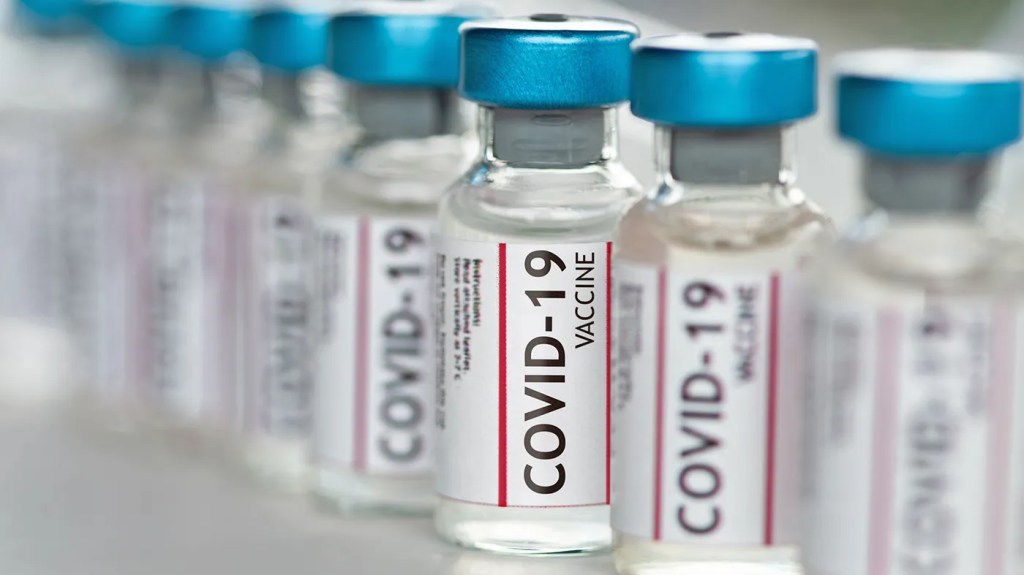
The COVID-19 Vaccine Explained
By: Alyssa Wang Introduction The COVID-19 global pandemic was one of the deadliest outbreaks of recent history, disrupting the lives and health of every person around the world. But one technology that transformed the course of this pandemic was the mRNA vaccine, developed within the astonishingly fast period of less than a year. In today’s…
-
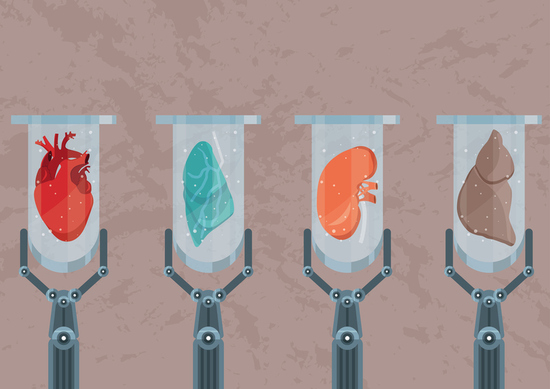
Tissue Engineering & Regenerative Medicine
By: Amy Hammett Introduction The term tissue engineering itself was presented back in the 1980s. It is a field of research focused on the development and creation of substitutes that could potentially replace or improve damaged tissues or whole organs within humans. This is done through the application of combining scaffolds, cells, and other biological…
-

The Potential of Precision Medicine
By: Alyssa Wang Introduction Precision medicine, a recent “buzzword” in the medical field, refers to a transformative approach to medicine that tailors treatment to a patient’s individual genes, environments, and lifestyles. Its usages span across various areas of medicine, with particular interest arising in its implications for oncology. Precision medicine can allow doctors to design…
-

Zooming In: A History of Nanotechnology
Engines the size of a single atom. A world map 1/1000 the size of a grain of salt. Nanobot soccer on a single grain of rice. All of these futuristic feats are now possible due to advancement in nanotechnology. Nanotechnology is a field of science that deals with the manipulation of atoms and molecules at…
-

Black Holes, Explained
Introduction One of the most fascinating mysteries of the universe are the existence of black holes. These space objects are concentrated areas of matter that are so dense that their gravity prevents light from escaping. They form from collapsed stars and can range from a few times to billions of times the sun’s mass. How…
-

Nature’s Medicine
By: Alyssa Wang This web site is provided for educational and informational purposes only and does not constitute providing medical advice or professional services. Always consult with appropriate professionals and medical providers regarding medical conditions. Traditional therapies, utilized around the world for centuries, are often based upon plants with natural healing properties. These plants contain…
-

How do Koalas Survive on a Low-Nutrition Diet?
By: Jessica Wang If you were to google the question “can you survive without nutrients?”, the first answer that pops up would be “no”. All living organisms need nutrients to survive, and in animals, these nutrients are water, carbohydrates, lipids, proteins, vitamins, and minerals. The three main nutrients–carbohydrates, lipids, and proteins–provide the body with energy…
-

Why the United States Has No National Health Insurance and What Can Be Done about It- A Book Review
By: Selina Chao Jill Quadagno set out to understand that the United States has no National Health Insurance is due to multiple effects from private sectors, and it’s not merely due to the government’s inability. Most Western industrialized countries, except the USA, guarantee health coverage and essential health –care services to their citizens. Without National…
-

Down Syndrome and Alzheimer’s Disease
By: Alyssa Wang Many people may know about Down syndrome and Alzheimer’s Disease, but few may know of the connection between the two. What is Down syndrome? Down syndrome is a genetic condition that occurs when a person has a full or partial extra copy of chromosome 21. This usually occurs due to an error…
 Sci Insight